info@gedasa.com


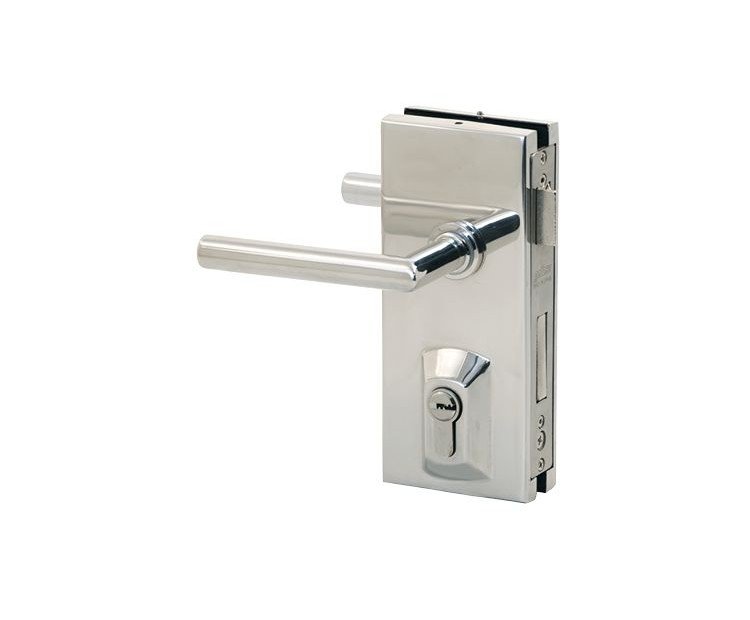 Model G.0
 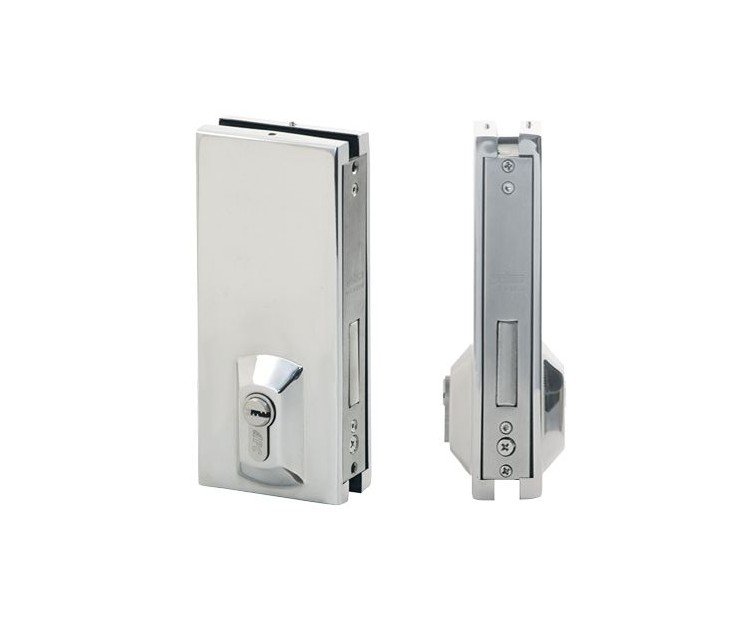 Model G.0C
 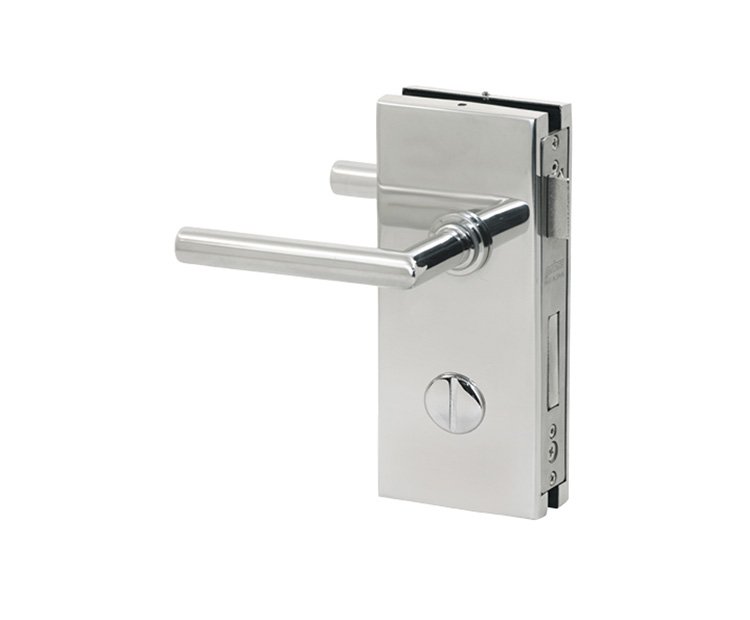 Model G.0CD
 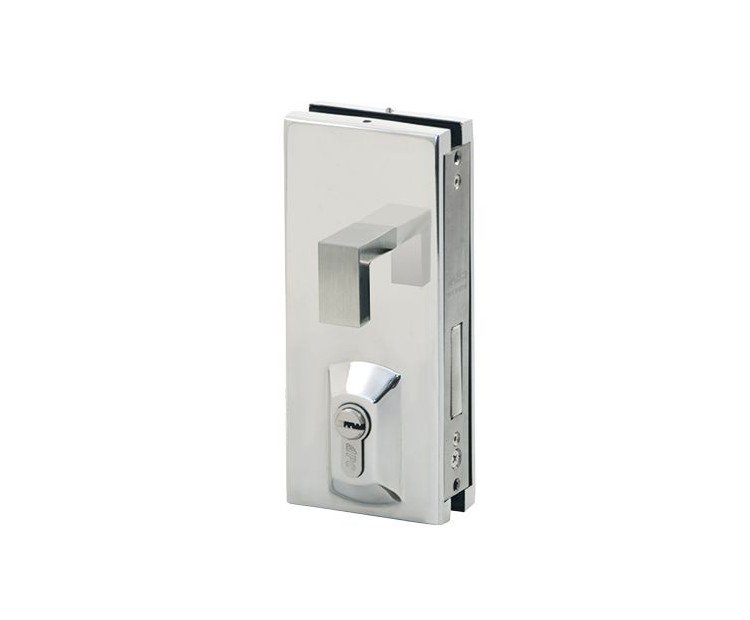 Model G.0CP
 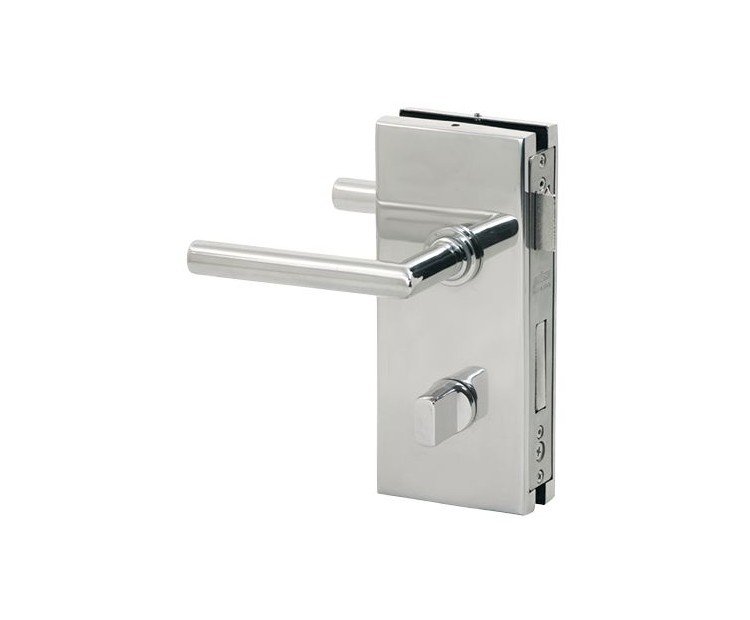 Model G.0D
 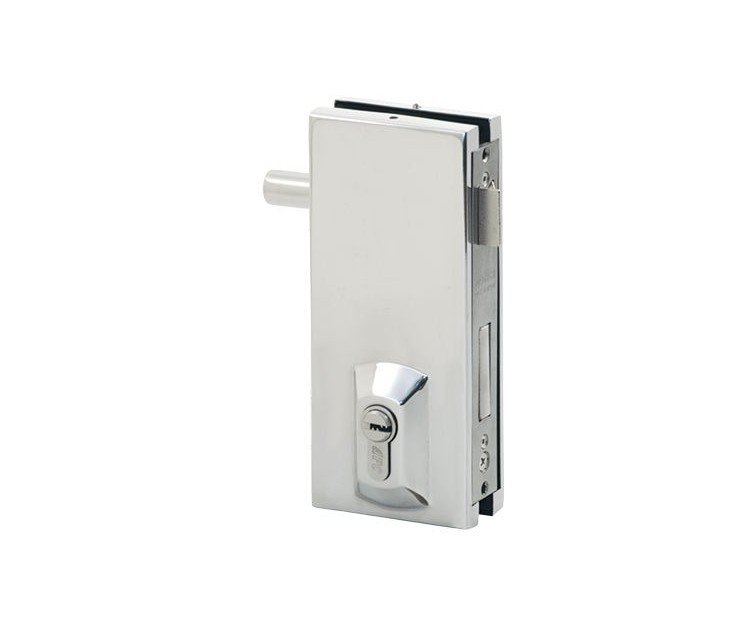 Model G.0MB
 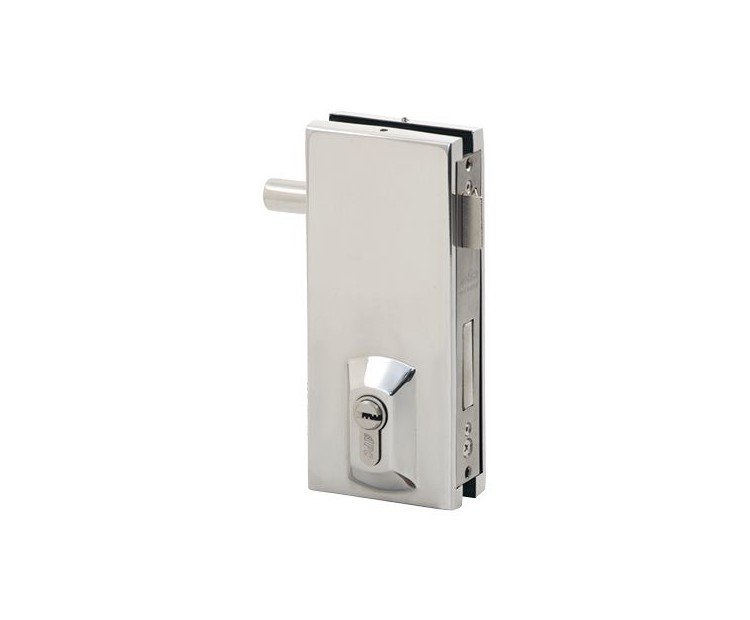 Model G.0N
 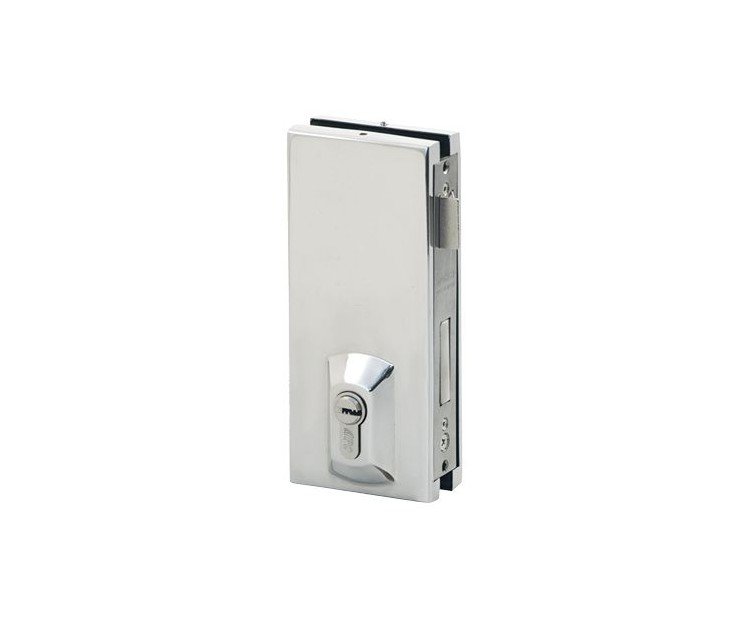 Model G.0NN
 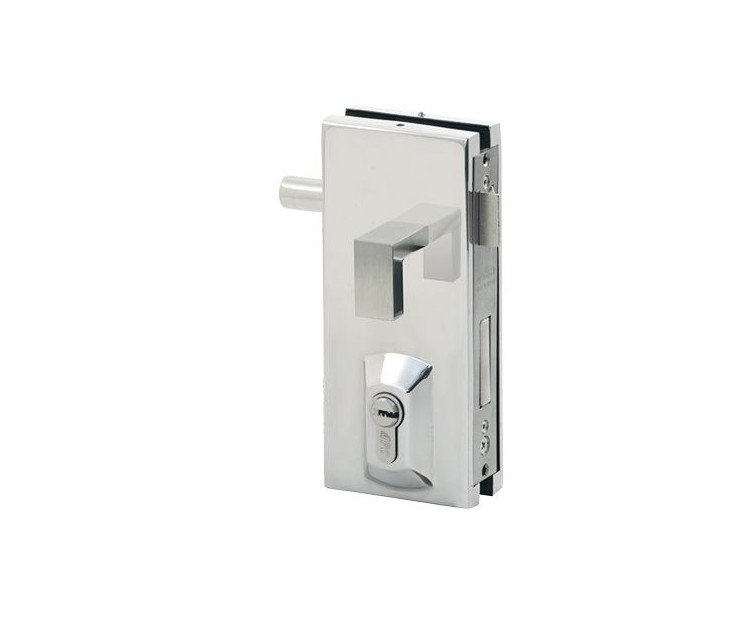 Model G.0NP
 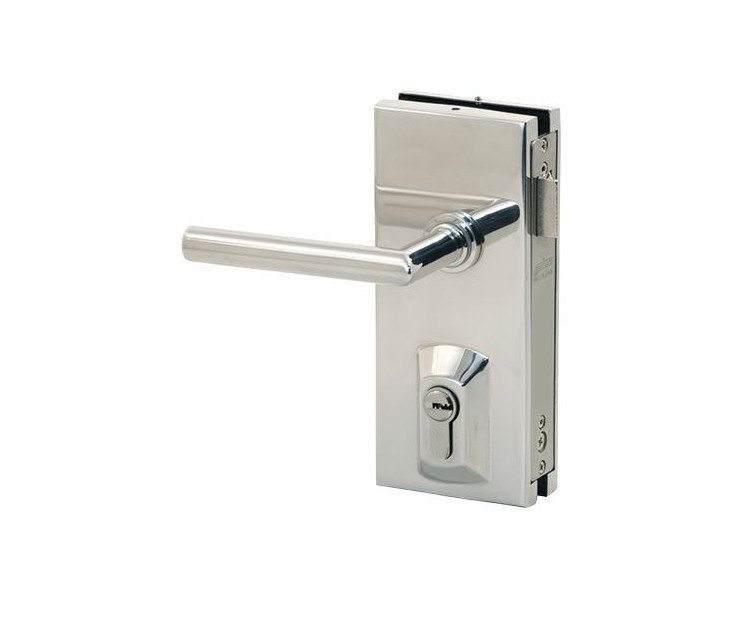 Model G.0NR
 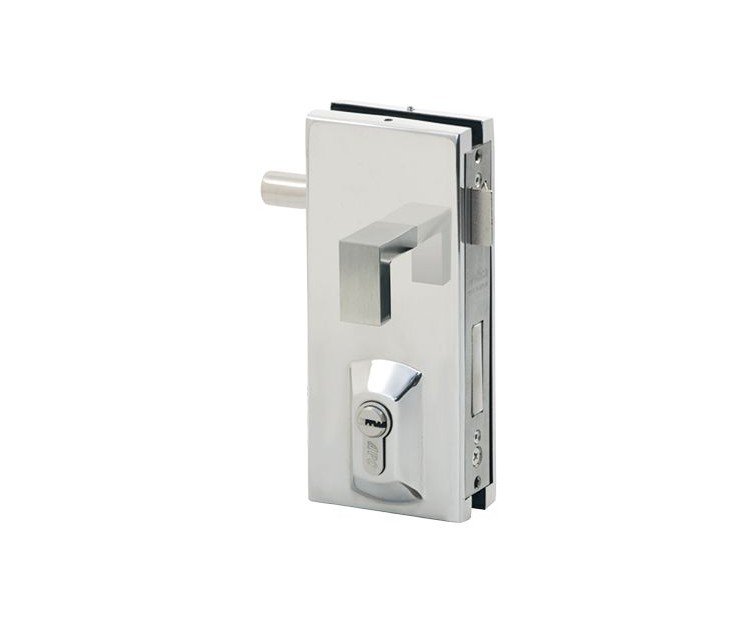 Model G.0PMB
 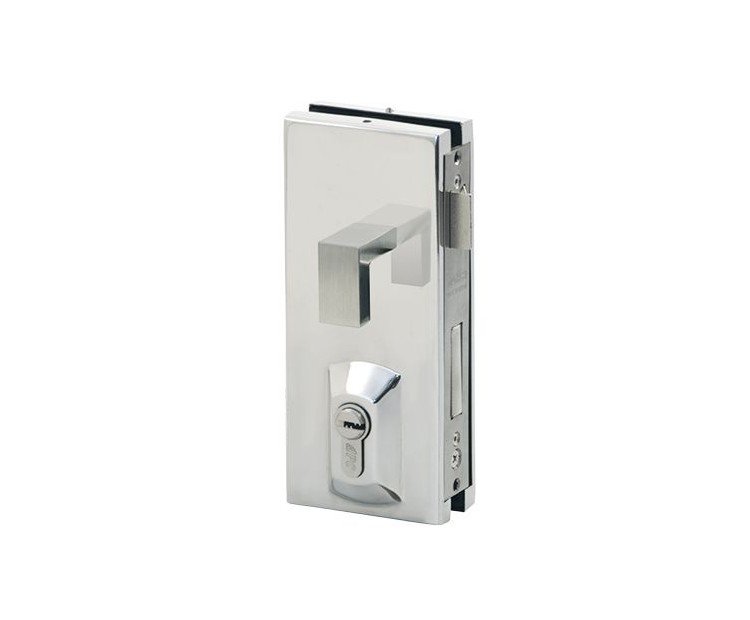 Model G.0PPB
 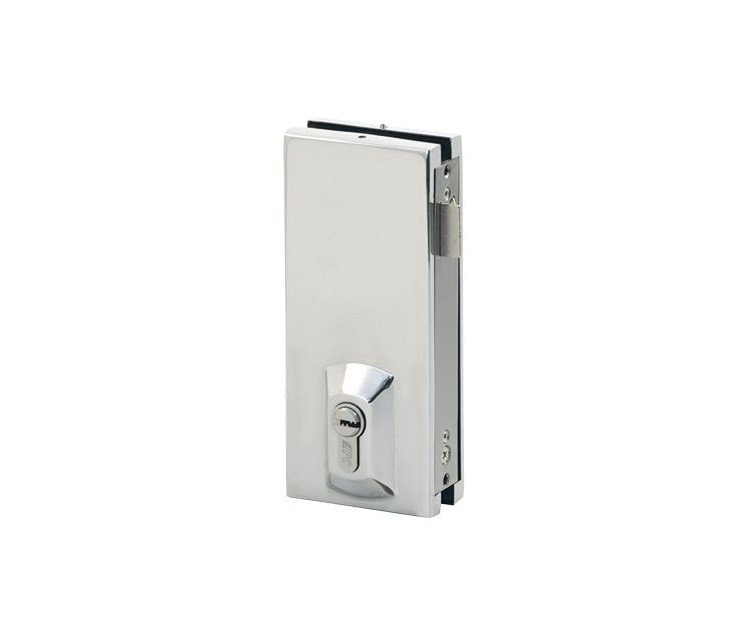 Model G.0R
 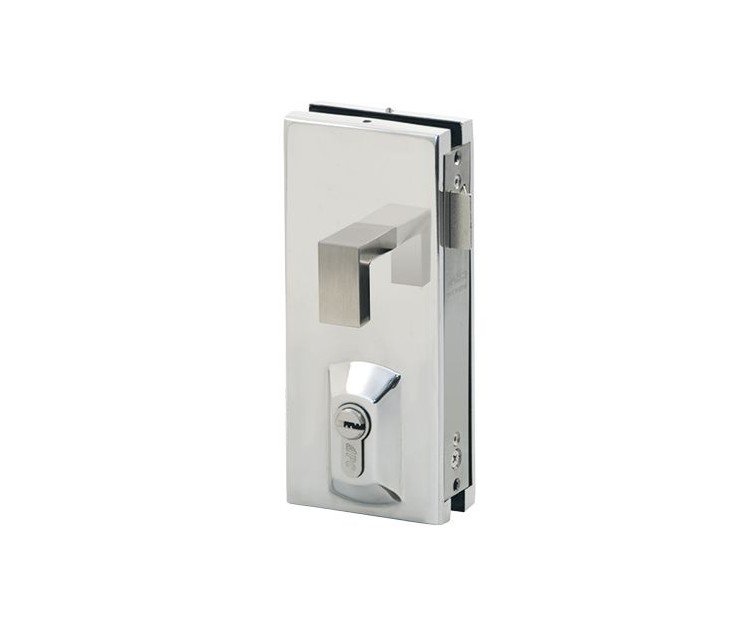 Model G.0RP
 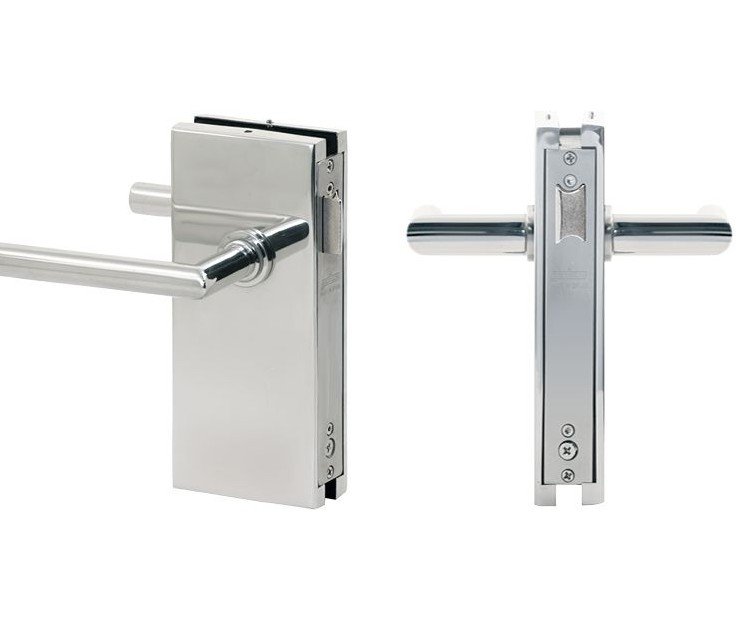 Model G.0RR
 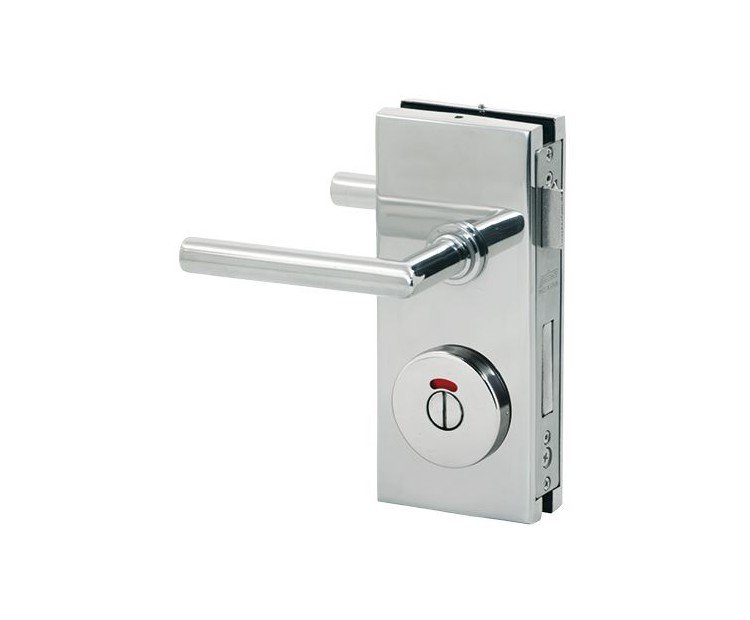 Model G.0WC
 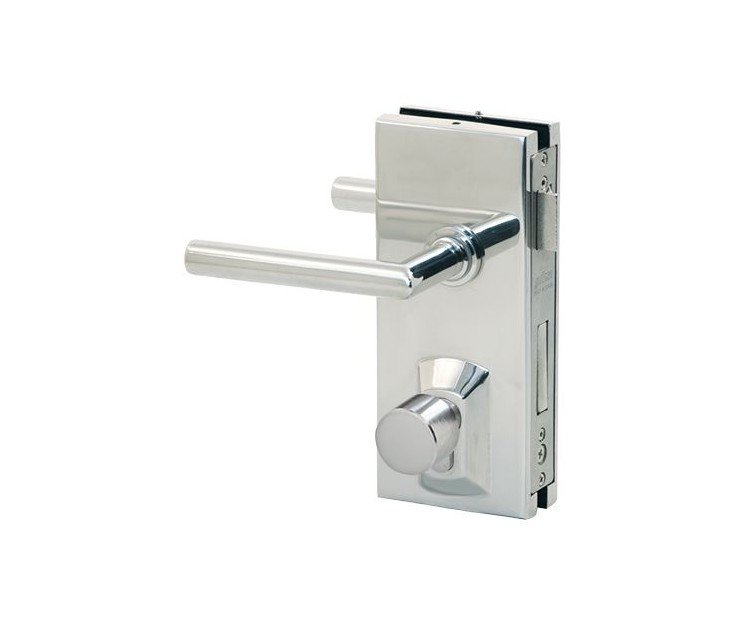 Model G0.BP
 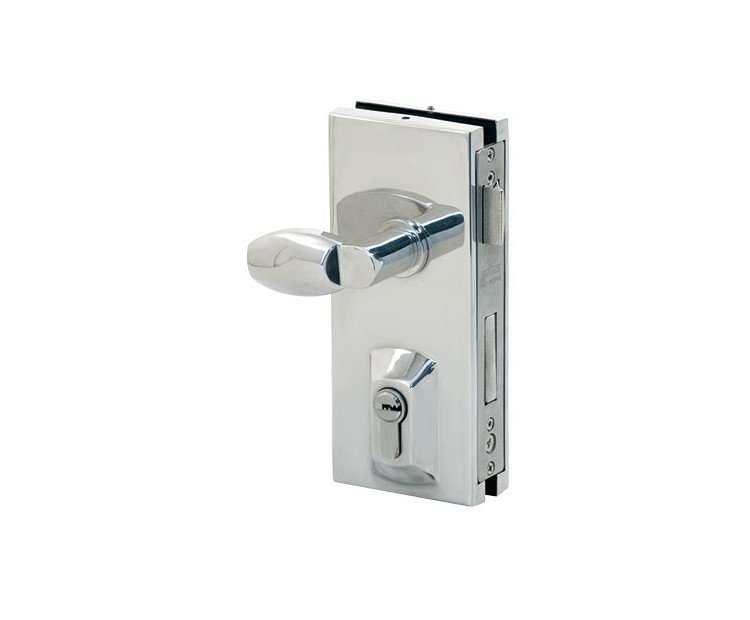 Model GP.0
 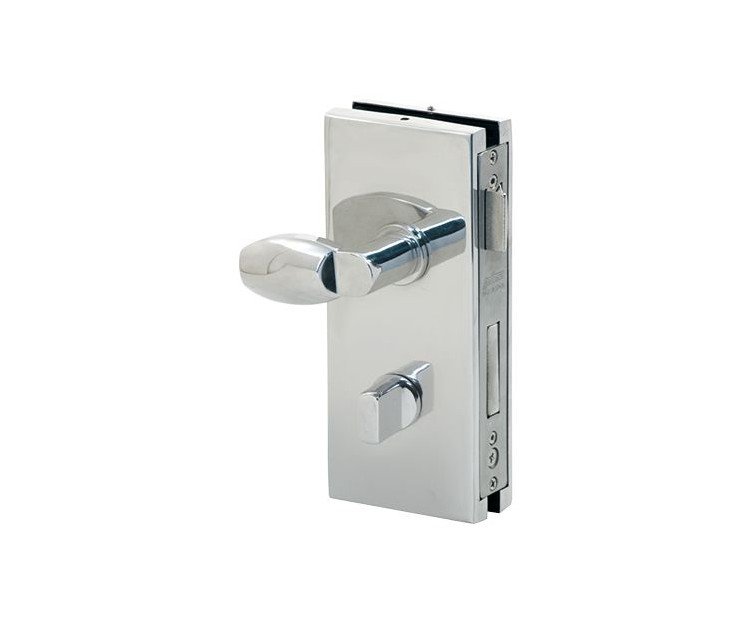 Model GP.0D
 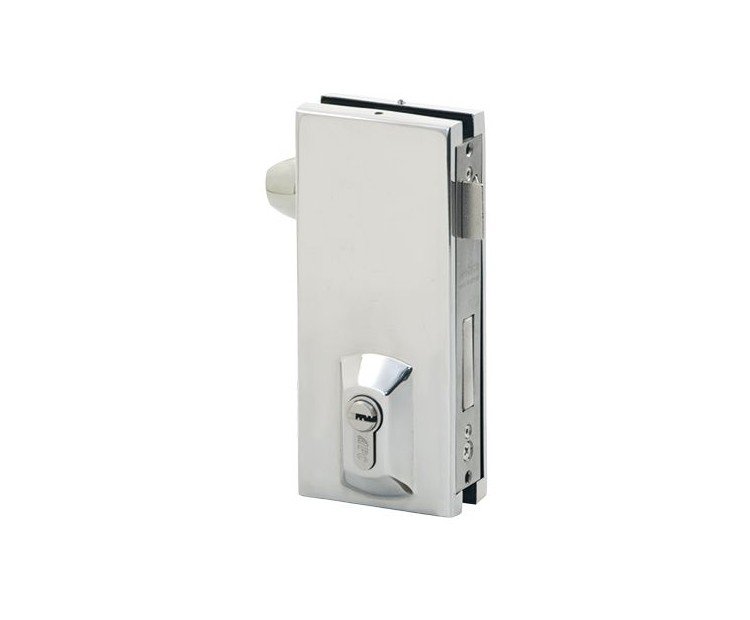 Model GP.0MB
 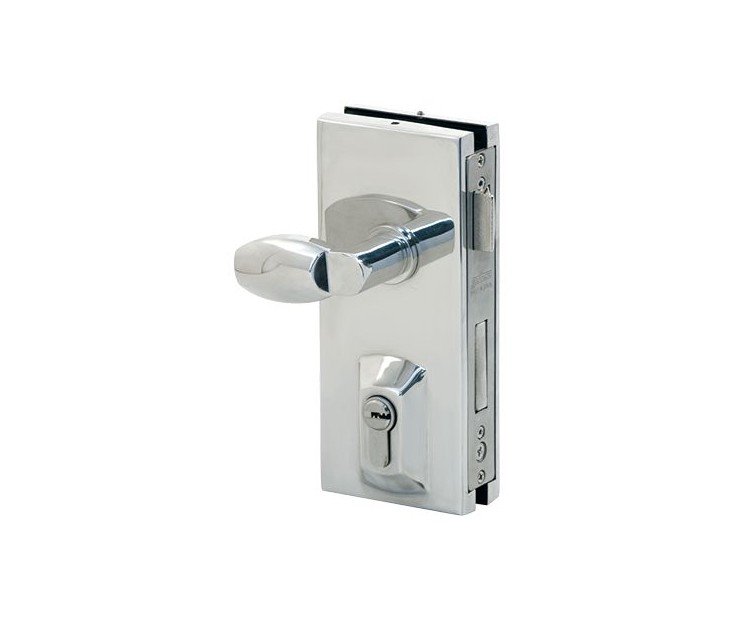 Model GP.0N
 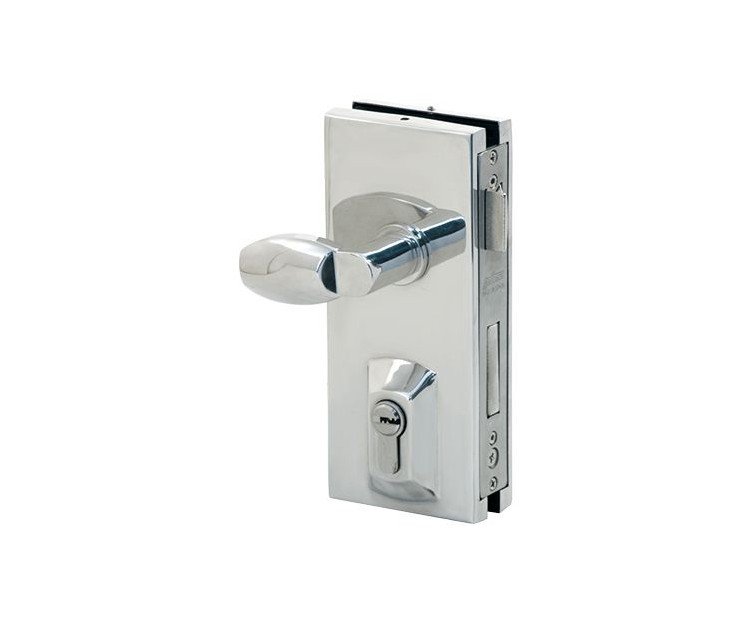 Model GP.0NP
 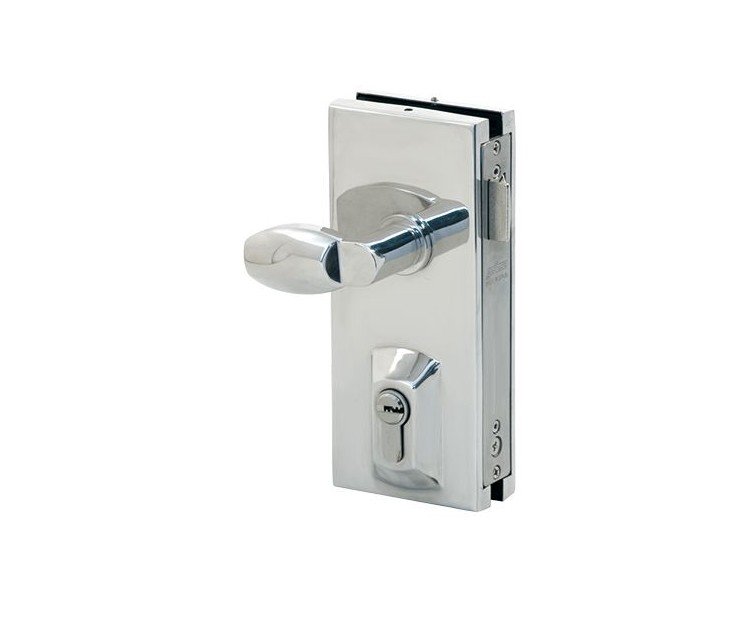 Model GP.0NR
 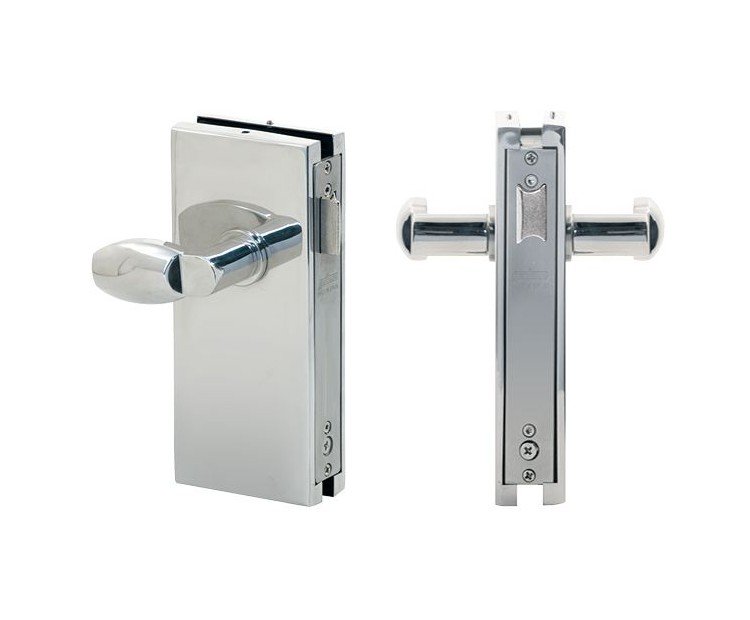 Model GP.0RR
 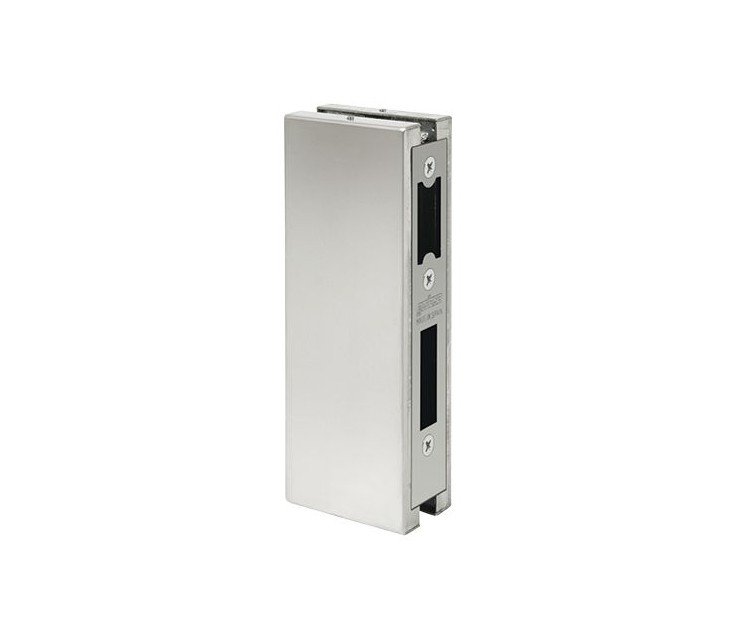 Model GC.1
 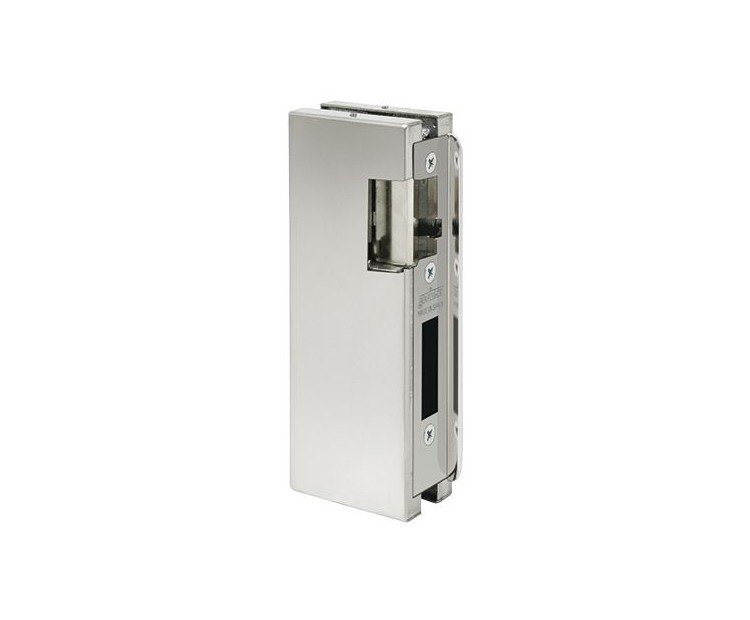 Model GC.1ET
 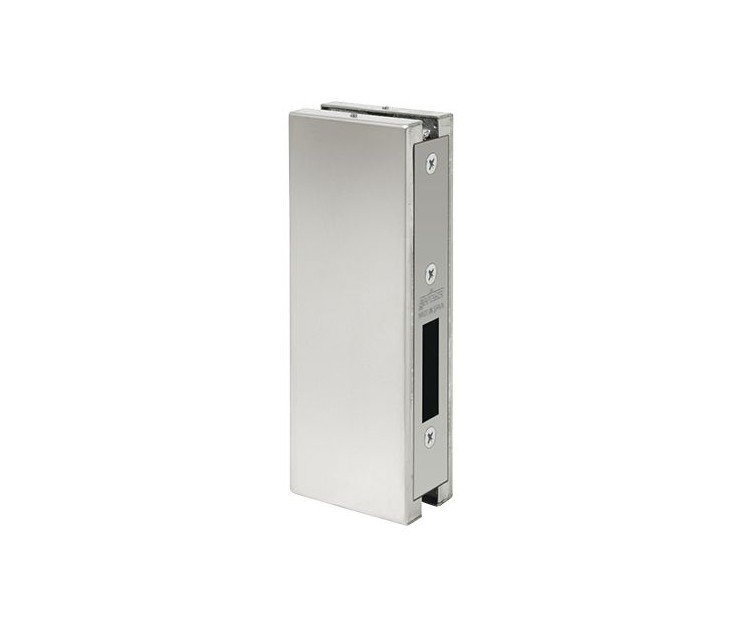 Model GC.1P
 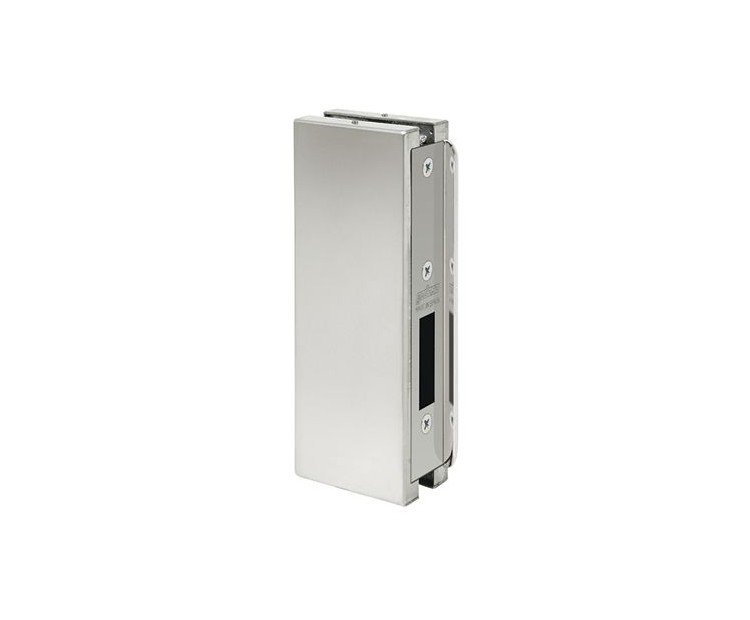 Model GC.1PT
 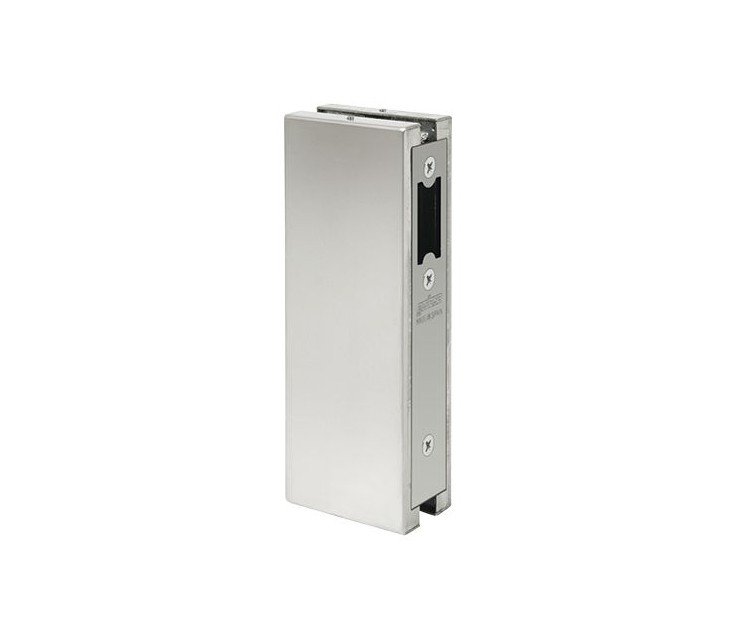 Model GC.1R
 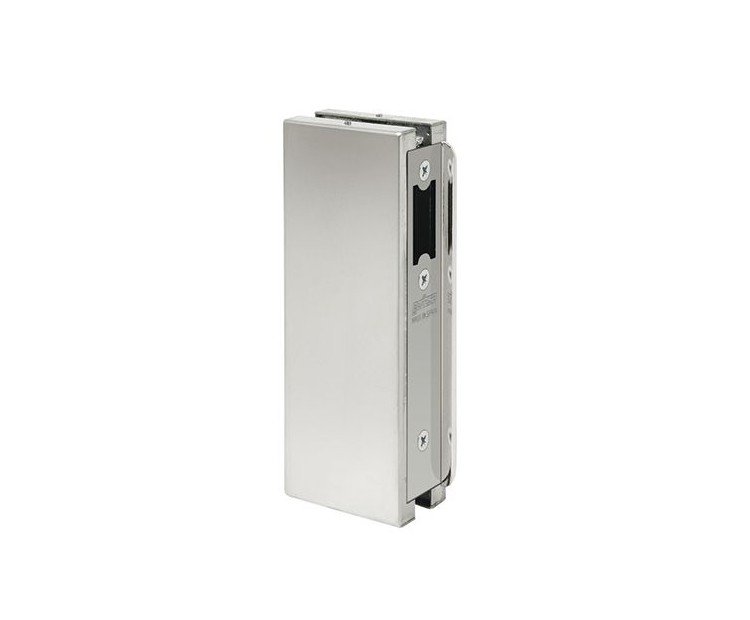 Model GC.1RT
 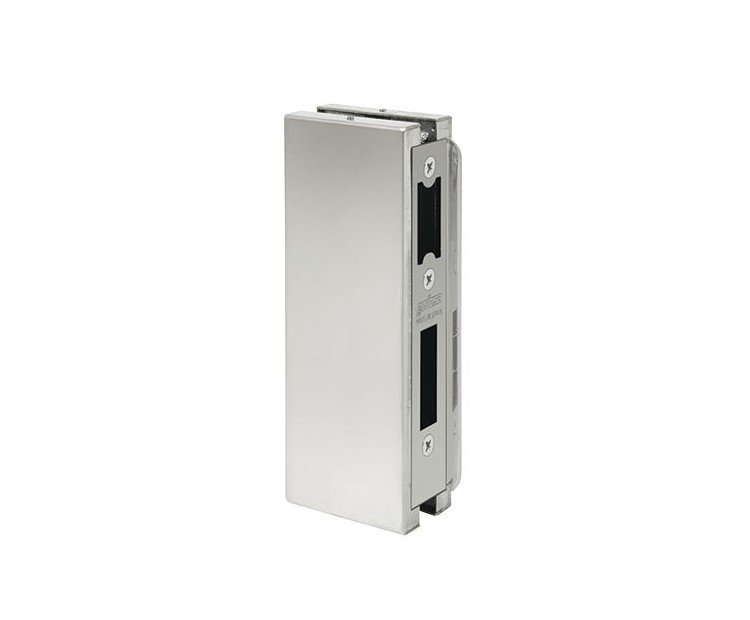 Model GC.1T
 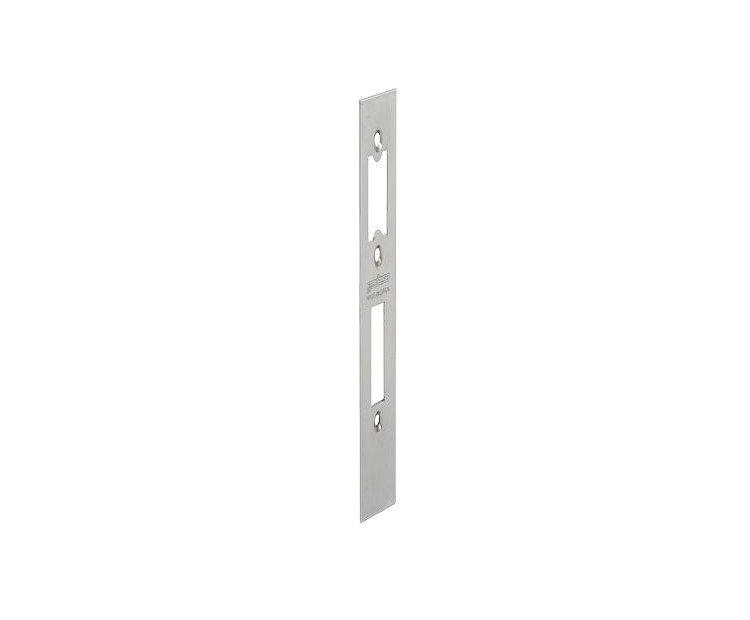 Model GC9.1
 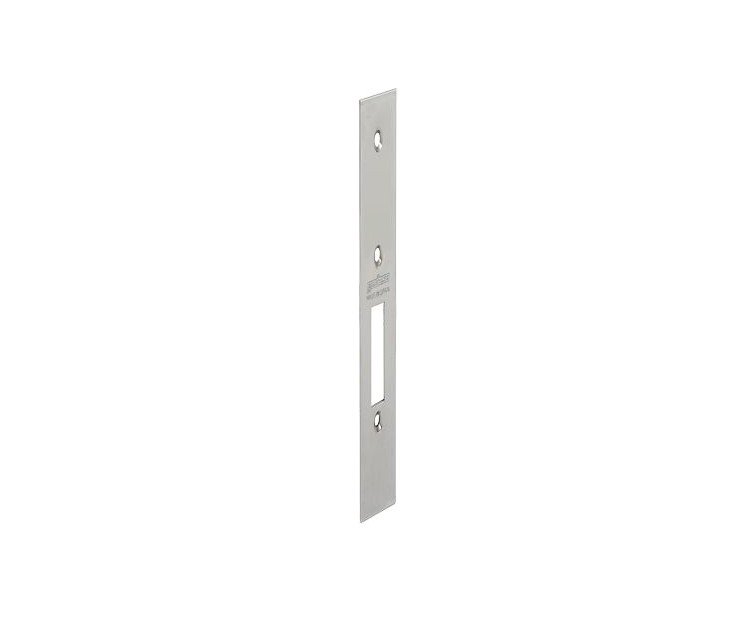 Model GC9.1C
 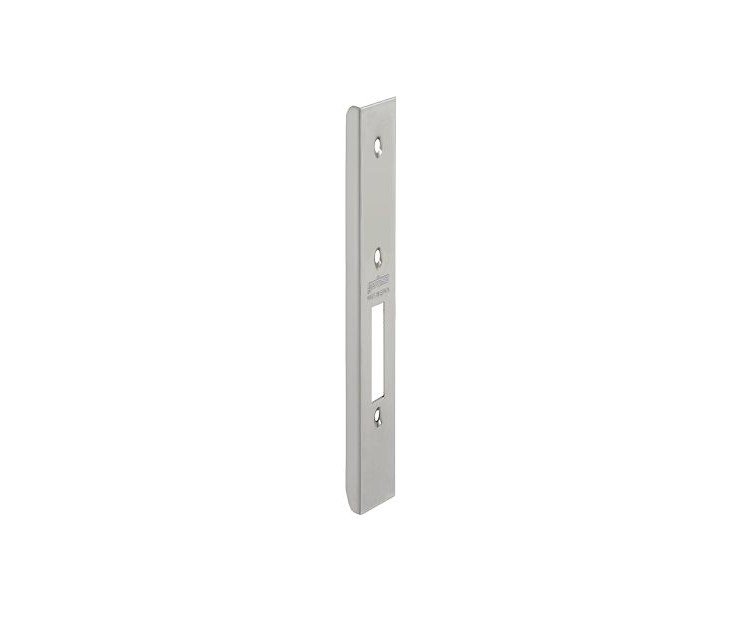 Model GC9.1CT
 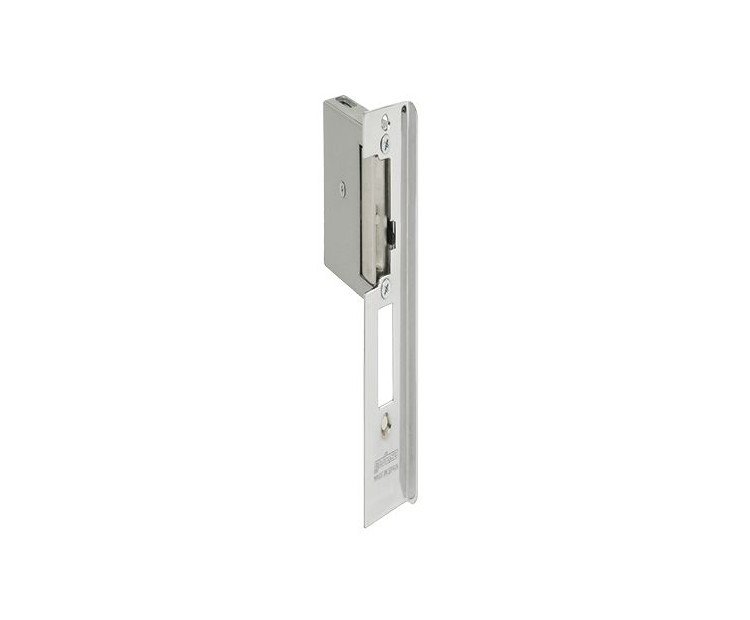 Model GC9.1ET
 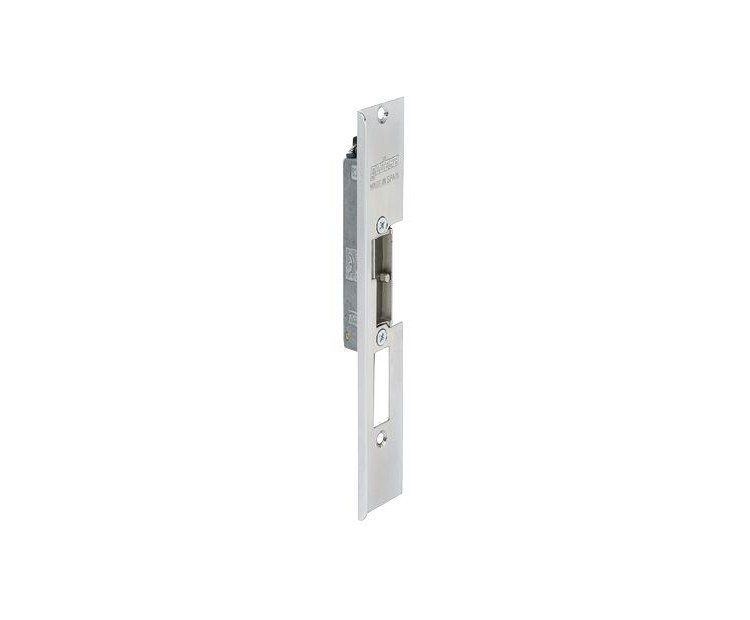 Model GC9.1ETL
 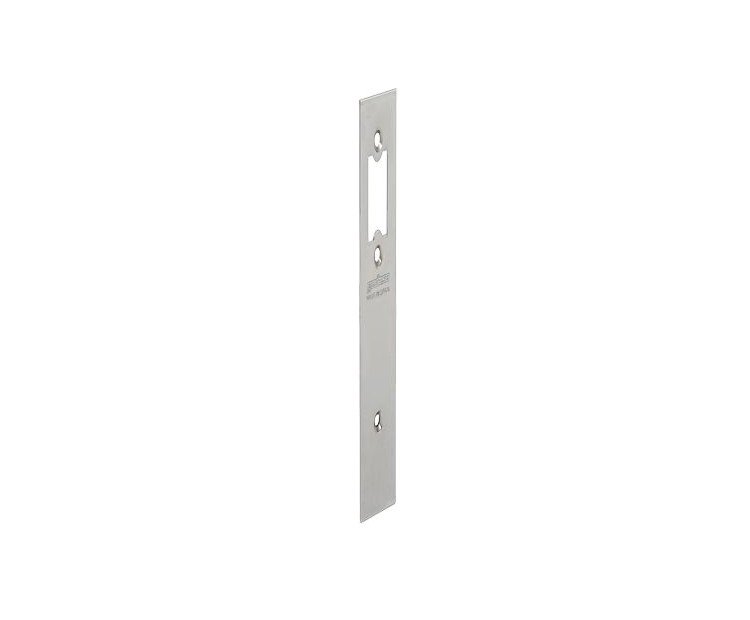 Model GC9.1R
 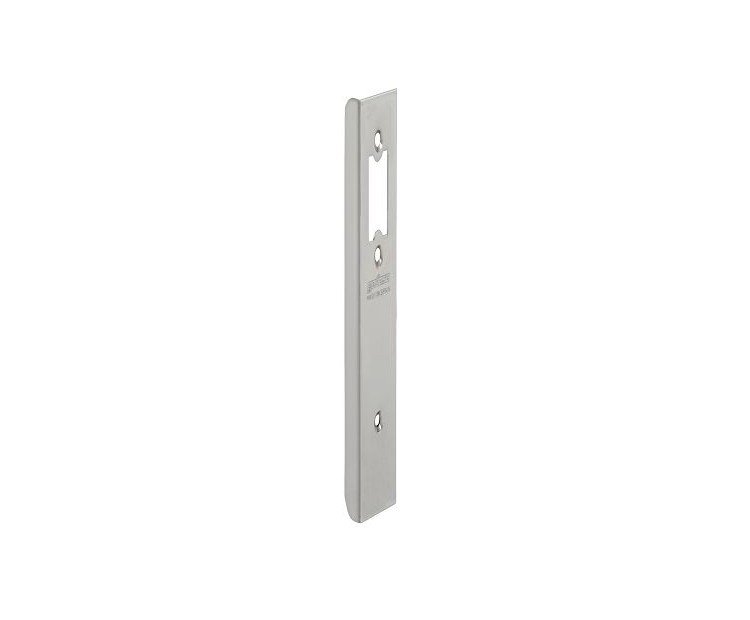 Model GC9.1RT
 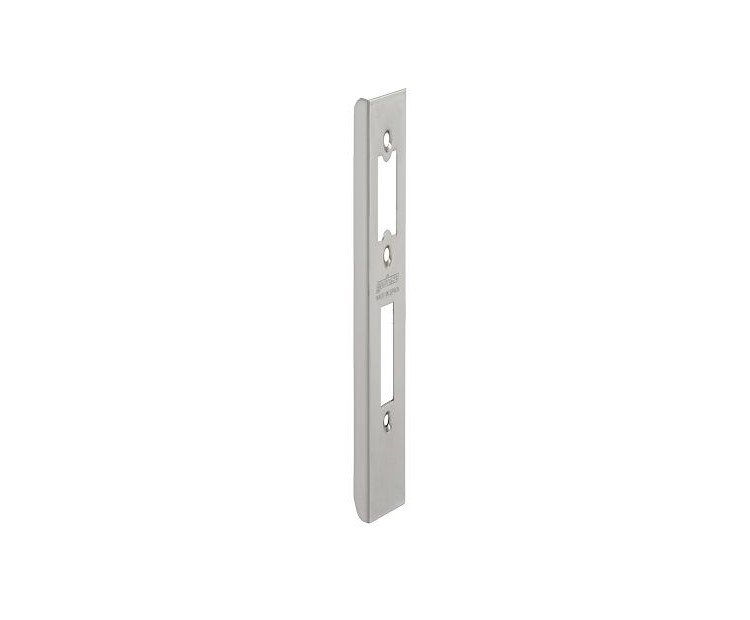 Model GC9.1T
 There are notched locks, non-notched locks, mobile locks, magnetic locks, special locks, strike boxes and latches. The choice depends on the type of door, the required level of security, the glass thickness and the installation method.
A notched lock requires the glass to be machined for installation. A non-notched lock allows certain installations to be carried out without that type of machining. The choice depends on the design of the door, the closing system and the needs of the project.
It depends on each model. The technical sheet should state the compatible glass thicknesses, the required dimensions and, where applicable, the type of cut-out or notch required.
Yes. Locks, strike boxes and latches for glass are common in offices, shops, interior spaces, glazed partitions and projects where access needs to be controlled or security improved.
You need to assess the type of door, the glass thickness, the level of security, the type of opening, compatibility with the strike box and the finish. If in doubt, we recommend consulting GEDASA to avoid incompatibilities.
At GEDASA we are committed to helping companies find the best solutions with the most advanced technology. Subscribe to our newsletter and find out how we can help you be more competitive and efficient.
I want to subscribe to the newsletter